
Scene guide
Victoria Secret Runway Scene Ideas for AI Fashion Videos
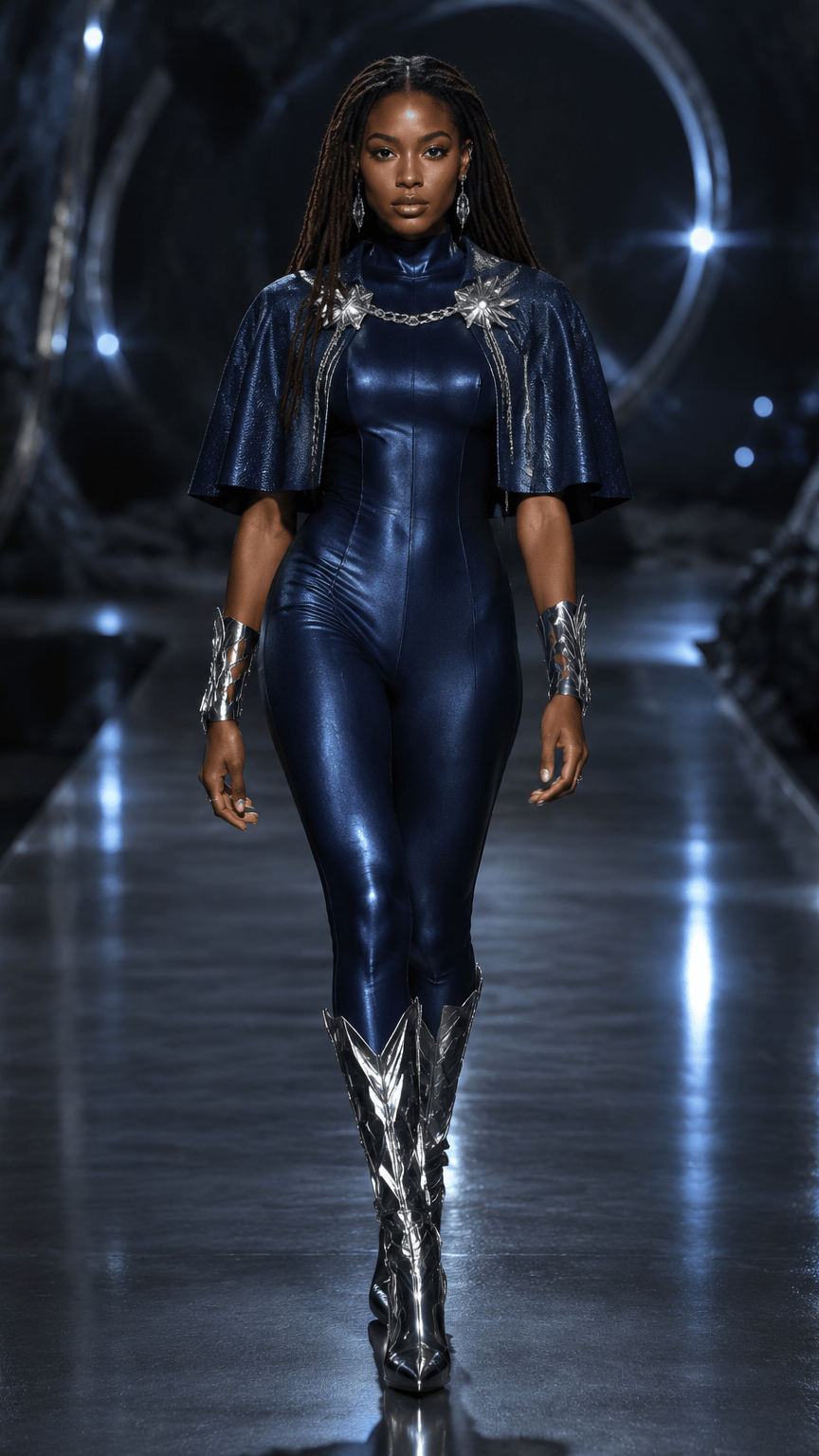
The right Victoria Secret Runway scene idea gives a short fashion video a clear job. Start with the feeling you want the viewer to notice, then choose the light, color, camera movement, and subject detail that support it. A scene prompt works best when it gives the source photo room to remain recognizable.
How do you turn a mood into a Victoria Secret Runway scene idea?
Begin with one sentence: “The subject moves through a bright, high-shine runway,” or “The frame feels quiet, dark, and editorial.” Then add one camera direction and one detail that should remain visible. This is enough to compare an AI fashion runway scene without filling the brief with conflicting instructions.
The reusable scene library includes original directions such as Glitter Runway, Fantasy Wings, Silver Starlight, floral color, crystal light, black swan contrast, and warm velvet. These names describe the mood of the prompt. They are not official Victoria’s Secret collection names, runway archives, or campaign assets.
Which lighting and color work for an AI fashion runway video?
High-shine light can make sequins, metallic fabric, and bright highlights stand out. A softer feather-like direction can give the clip a lighter silhouette and slower feeling. Crystal light works when you want small points of brightness around the subject. A darker monochrome or black-swan direction gives the outfit more contrast against the stage.
Keep one source photo when you compare these ideas. The same face, pose, and clothing make it easier to see how the scene changes the result. If the source image changes every time, the comparison becomes a new photo test as well as a new scene test.
What camera movement works in a 9:16 runway video?
The current workflow creates a short vertical 9:16 video. A forward movement or gentle push-in is easy to read in that frame. A slow turn can show the outfit, while a restrained pose keeps attention on the styling detail. Too many actions make a short clip harder to judge because the visual idea changes before the viewer has time to read it.
Write the camera direction as a supporting choice. “Slow editorial push-in” and “confident forward runway movement” tell the scene what kind of energy to use. The source photo still matters more than an overloaded list of effects, so keep the movement compatible with the pose and crop.
How do you choose a Victoria Secret Runway scene for social media?
Use a high-shine direction when the idea depends on sparkle, reflective fabric, or a bright stage. Use a softer wing-like direction when the subject should feel light and the movement should remain gentle. Choose crystal light when small highlights matter. A darker monochrome direction can help a bright outfit stand apart from the stage.
For a social teaser, choose one visual hook that is visible in the first seconds of the short clip. For a moodboard, the light and camera movement may matter more than a dramatic pose. For an outfit detail test, keep the camera restrained so the styling remains readable. The same scene is not equally useful for every job, so decide what the viewer should notice before selecting it.
How do you compare runway video ideas without wasting generations?
Two controlled tests usually tell you more than several unrelated generations. Keep the photo, crop, and output settings stable while changing the scene. Then keep the scene stable while trying a different photo. Save a short note about what changed and what you saw. This creates a simple record for the next creative decision and reduces the temptation to repeat the same prompt without learning from it.
When the scene is still unclear, return to the first sentence of the brief. Remove the detail that does not support the mood and keep the camera direction compatible with the pose. A smaller decision gives the source photo and the runway lighting more room to read clearly in a short clip.
Read the result at the size where the viewer will see it. A detail that looks acceptable in a large preview may be too small for a social feed. This check helps you choose whether to adjust the source photo, the scene, or the intended use of the clip.
Keep that viewing context in mind when comparing scenes. A subtle light change may matter in a moodboard, while a stronger contrast may be easier to understand in a short vertical post.
Choose the scene that makes the intended detail easy to see, then leave the rest of the brief quiet.
How do you keep a Victoria Secret-inspired video original?
Fashion references are useful when they describe a mood, silhouette, or lighting choice. They become risky when the brief asks to reproduce a specific person, logo, campaign image, protected garment, or recognizable brand asset. Describe the visual qualities you want and use media you are authorized to use.
This independent tool is not affiliated with or endorsed by Victoria’s Secret. Label a finished piece accurately when you share it, and review the rights for the source image, likeness, styling references, and destination platform. A style reference does not settle those questions for you.
What Victoria Secret Runway video scenes should you test first?
For a first comparison, keep the same photo and test a high-shine Glitter Runway against Silver Starlight. For a softer concept, compare Fantasy Wings with warm velvet. For a darker editorial direction, test black swan contrast while keeping the camera movement restrained. These are starting points, not promises about the final output.
Browse the scene library, check the photo requirements, and open the creator when you know which visual question the next generation should answer.
Questions readers ask
Questions About This Victoria Secret Runway Video Guide
Are these official Victoria’s Secret scenes?
No. They are original visual directions created for an independent fashion video workflow.
Which scene is best for a social teaser?
Choose a direction with one readable subject, clear contrast, and movement that fits the short vertical format.
Can one photo be tested across multiple moods?
Yes. Keeping the source photo the same makes scene comparisons easier to interpret.
How many scenes should I compare first?
Start with two contrasting directions so you can identify whether light, color, or camera energy is closer to the intended mood.
Can I use a scene name as an official campaign reference?
No. Scene names describe original visual directions and should not be presented as official collections, campaigns, or brand assets.
Continue the runway research
Related Victoria Secret Runway Guides
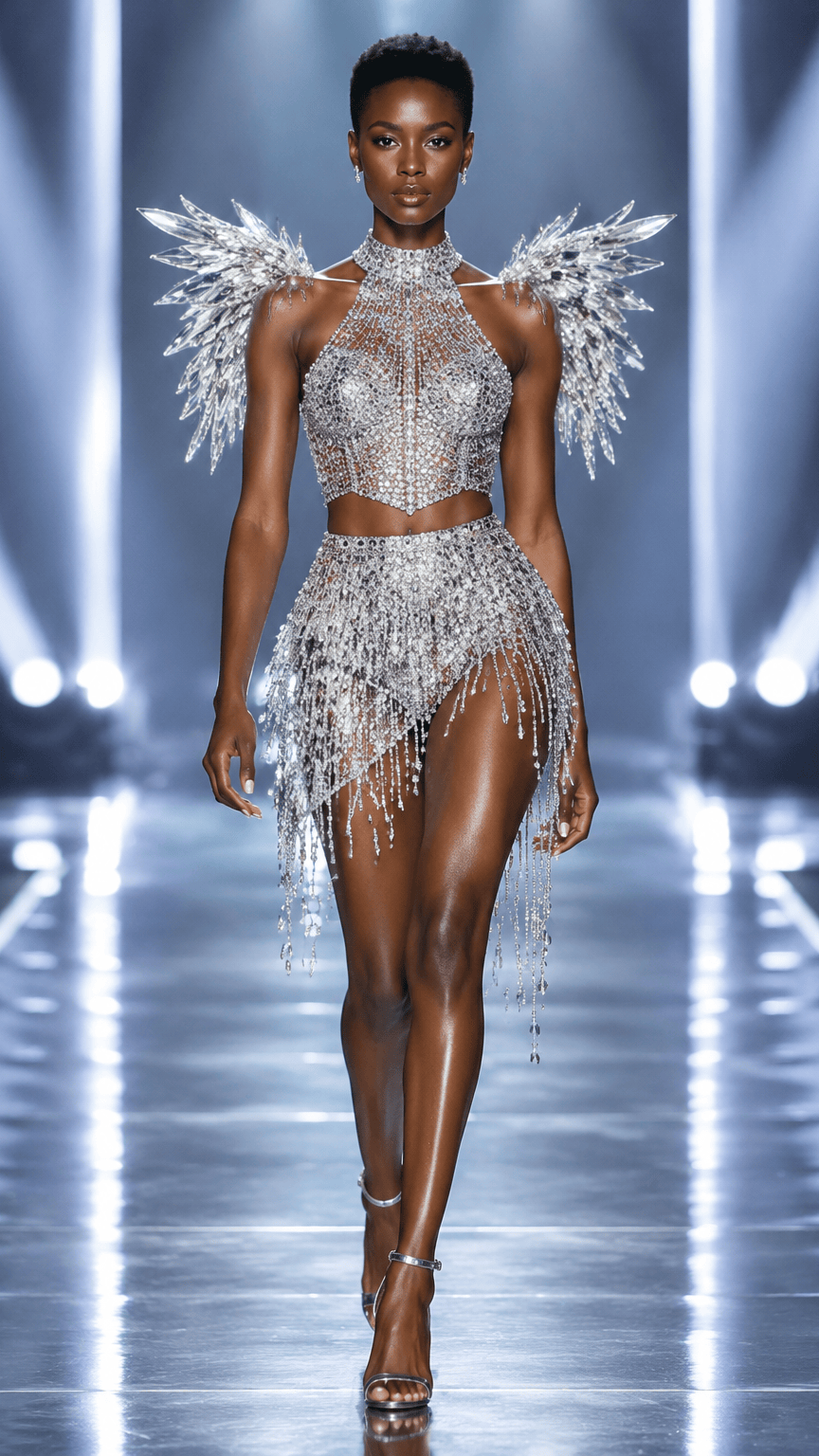 How to Create a Victoria Secret Runway Video From a PhotoA complete, practical workflow for turning one authorized source photo into an original Victoria Secret Runway-inspired video concept.
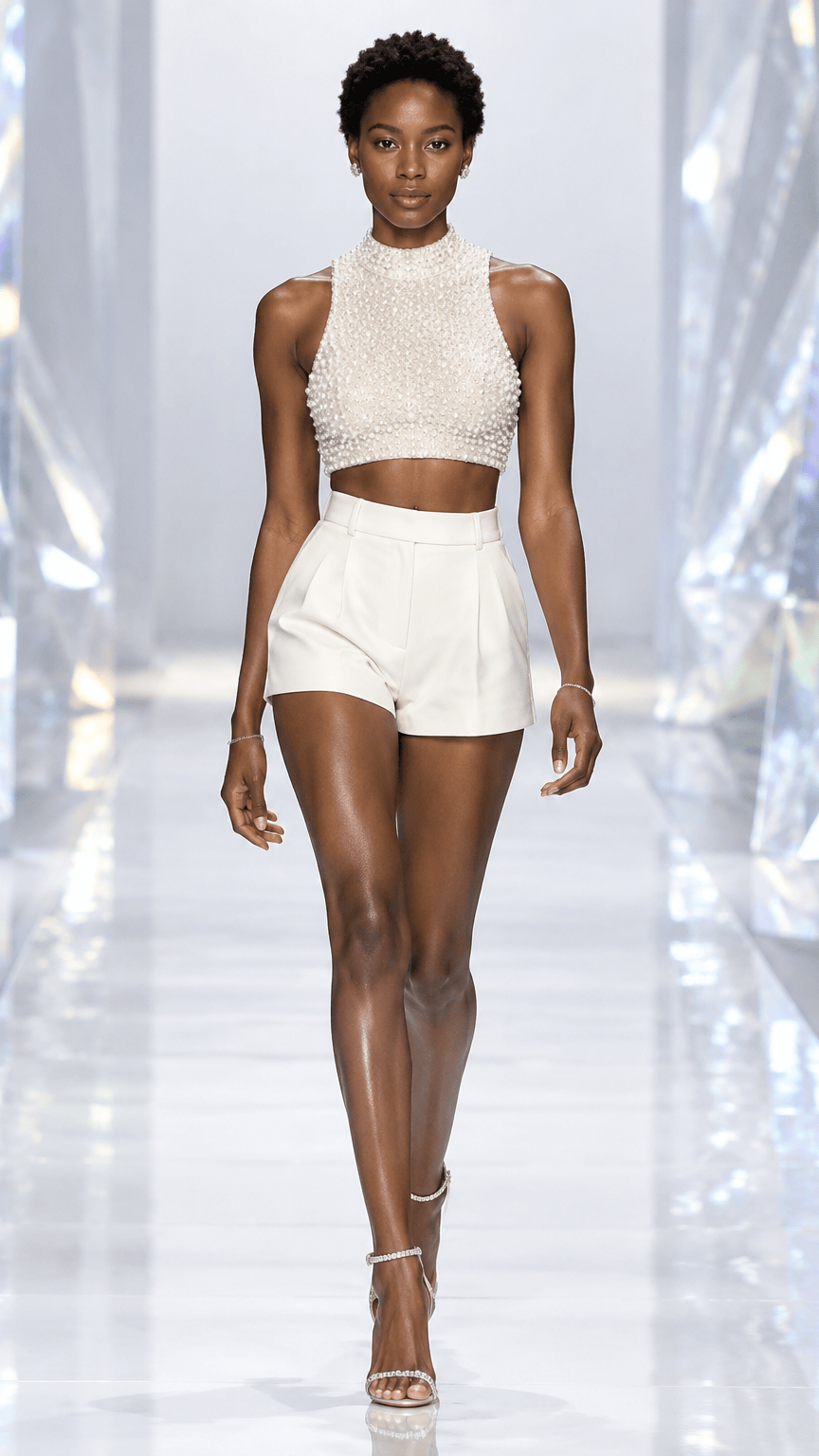 Best Photo for a Victoria Secret Runway AI VideoAn input guide for crop, lighting, silhouette, clothing detail, background, and image permission.
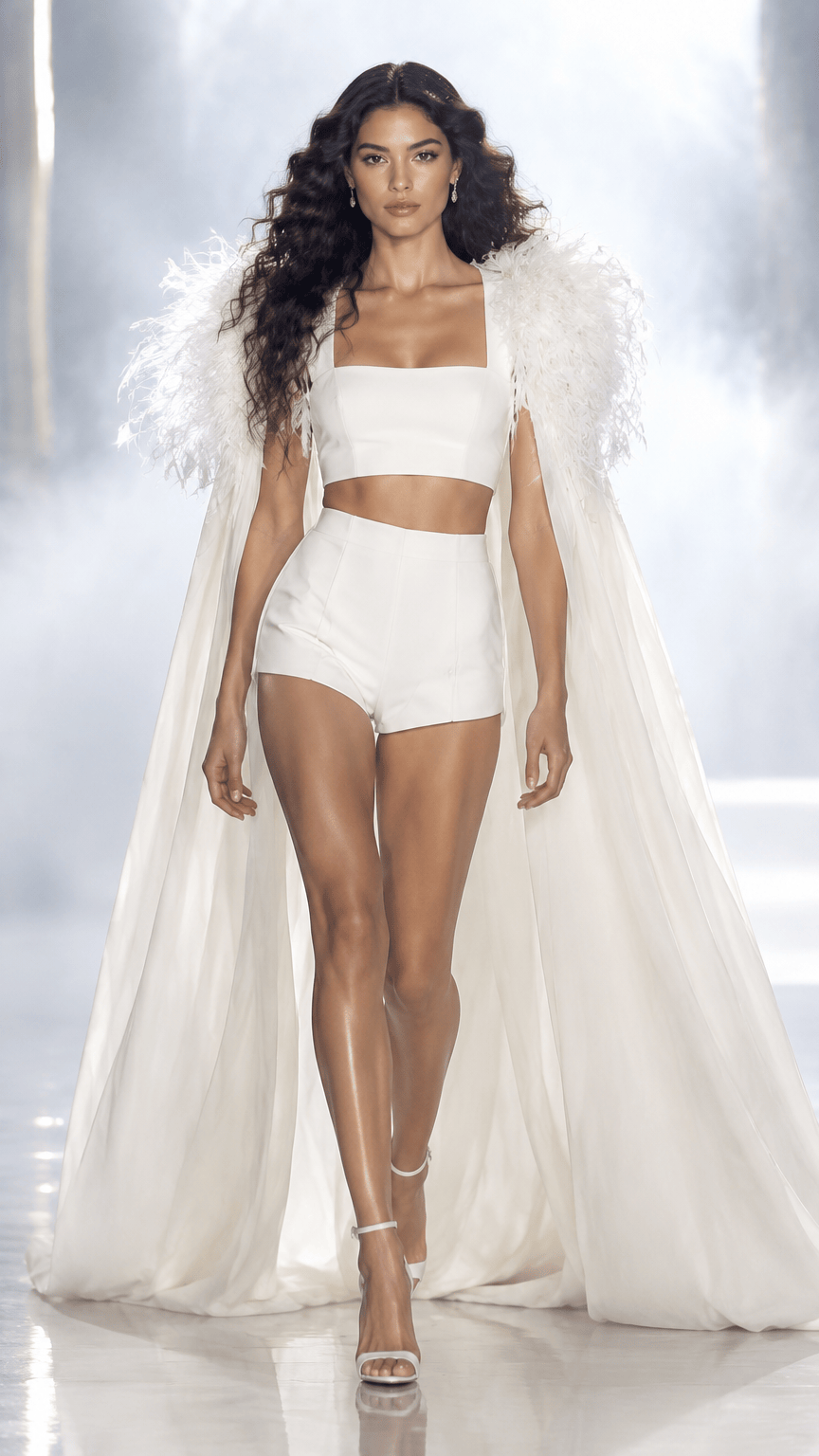 Victoria Secret Runway Video Ideas for Social MediaA planning guide for short vertical fashion clips, with practical choices for the first frame, movement, format, and test scope.